
SierraxPartners: Energy & Commodities Investment
A commodity is an economic good — usually a resource — that has full or substantial fungibility: the market treats instances of the good as equivalent regardless of who produced them. From crude oil and natural gas to gold and agricultural products, commodities form the bedrock of the global economy. SierraxPartners gives our investors direct exposure to this essential asset class.
What is the Commodities Market?
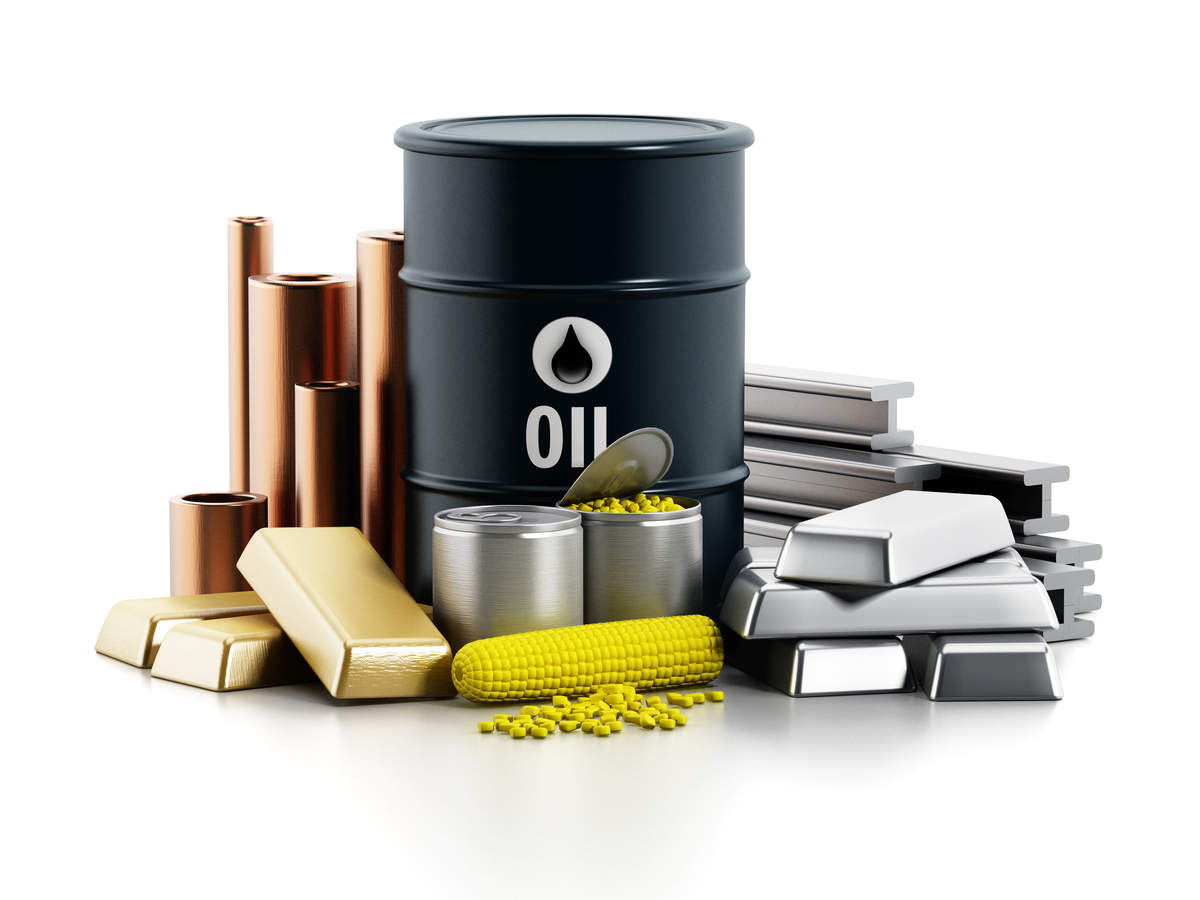
The basic idea is that there is little differentiation between a commodity from one producer and the same commodity from another. A barrel of oil is essentially the same product regardless of the producer. Traditional commodity categories include:
- Energy — crude oil, natural gas, heating oil
- Metals — gold, silver, copper, platinum
- Agriculture — wheat, corn, soybeans, coffee
- Livestock — cattle, hogs
The modern commodities market relies heavily on derivative securities such as futures and forward contracts. Through these instruments, buyers and sellers transact efficiently and in large volumes without necessarily exchanging physical goods — enabling speculation, hedging, and inflation protection.
Commodities Buyers and Producers
The sale and purchase of commodities is typically carried out through futures contracts on exchanges that standardise quantity and minimum quality. For example, the Chicago Board of Trade stipulates that one wheat contract covers 5,000 bushels. Producers use futures to lock in prices and hedge against adverse price movements before delivery.
Commodities Speculators
The second type of commodities participant is the speculator — traders who operate in commodities markets for the sole purpose of profiting from volatile price movements. They never intend to make or take physical delivery. Many futures markets are highly liquid with significant daily range, making them attractive for sophisticated traders and institutional investors alike.
Commodities as an Inflation Hedge
Commodity prices typically rise when inflation accelerates, which is why investors often flock to them for protection during periods of rising inflation — particularly unexpected inflation. As the demand for goods and services increases, so does the price of the raw materials used to produce them. Because commodity prices often move with inflation, this asset class serves as a natural hedge against the declining purchasing power of currency.
Portfolio Diversification
- Low Correlation: Commodities do not typically trade in tandem with equity and bond markets — adding them to a portfolio meaningfully reduces overall volatility.
- Real Asset Exposure: Unlike equities, commodities represent tangible goods with intrinsic value, providing a store of value during market stress.
- Global Demand Drivers: Growing populations and emerging market industrialisation create structural, long-term demand for core commodities — a tailwind that benefits patient investors.
SierraxPartners: Our Commodities Strategy
Our commodities desk combines fundamental supply/demand analysis with technical momentum signals and macroeconomic overlays. This disciplined, multi-factor approach enables us to identify high-conviction opportunities across energy, metals, and agricultural markets while rigorously managing downside risk.
Our Purpose
Helping people and businesses unlock their potential and plan for the future with confidence, building relationships that stand the test of time.
How We Work
We are proud of our transparency and alignment of interest with our portfolio companies and investors. Significant skin in the game enables true, lasting partnerships.
Our Growth
We are constantly improving, committed to out-thinking and out-executing our competitors. This is why we work with only the best professionals in the industry.
Ready to invest in Commodities?
Our performance is characterised by superior risk-adjusted returns across a broad and expanding range of asset classes.